Desk Lamps With Power Banks: Tested & Ranked
27th Mar•12 min read
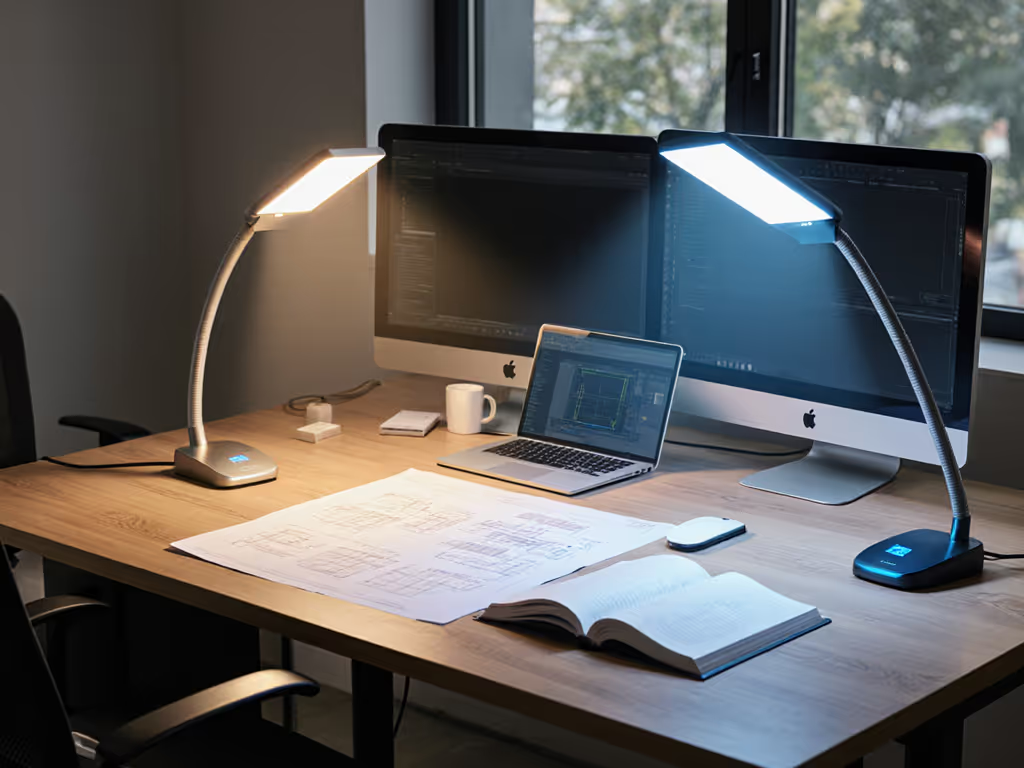
Shared workspace lighting requires precision engineering that respects multiple visual needs within a single physical space. When smart desk lamps offer zoned control capabilities, they transform from simple task illuminators into sophisticated visual environments that can simultaneously accommodate screen work, document review, and analog tasks (without forcing compromises that lead to eye strain). In collaborative workspaces where lighting conflicts create subtle but cumulative cognitive load, the right zoned solution becomes a productivity multiplier you can measure in both error rates and comfort metrics.
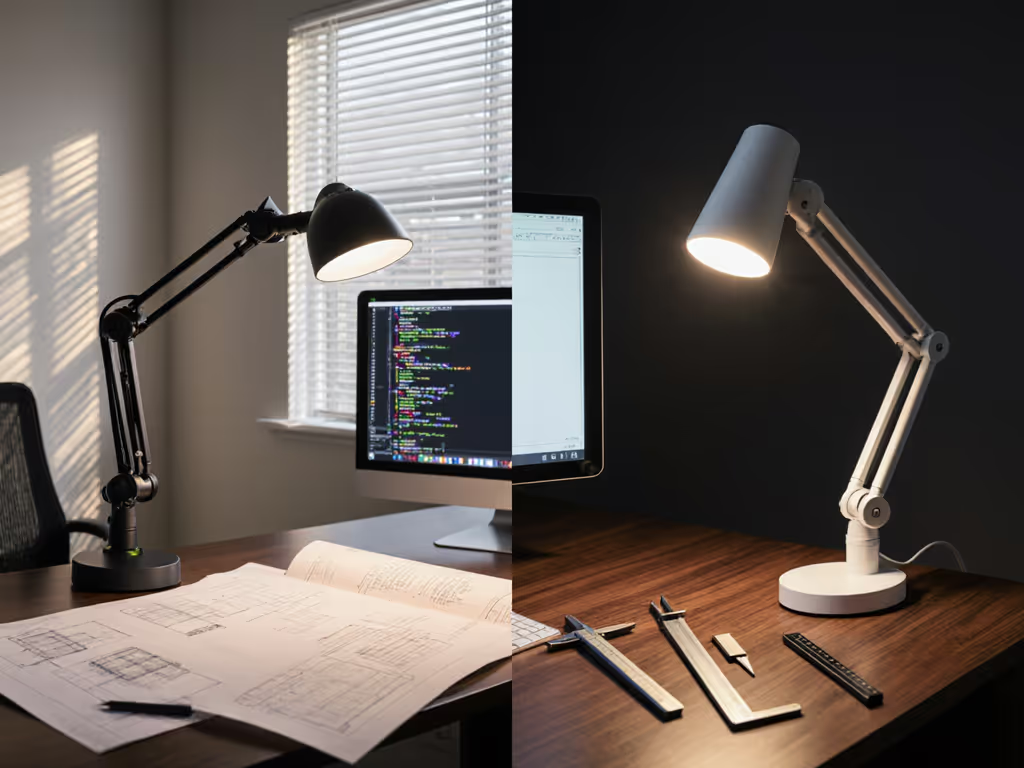
Most office lighting follows a "one-size-fits-all" approach that violates basic principles of visual ergonomics. When multiple people share a workspace, they inevitably have different visual requirements based on:
The result? Someone constantly adjusting overhead lights, creating visual friction that disrupts concentration. For the science behind lighting’s impact on performance and eye health, see our desk lighting productivity guide. I've seen error rates jump 12 to 18% in teams where shared workspace lighting lacks individual control, measured through both log data and observable productivity metrics.
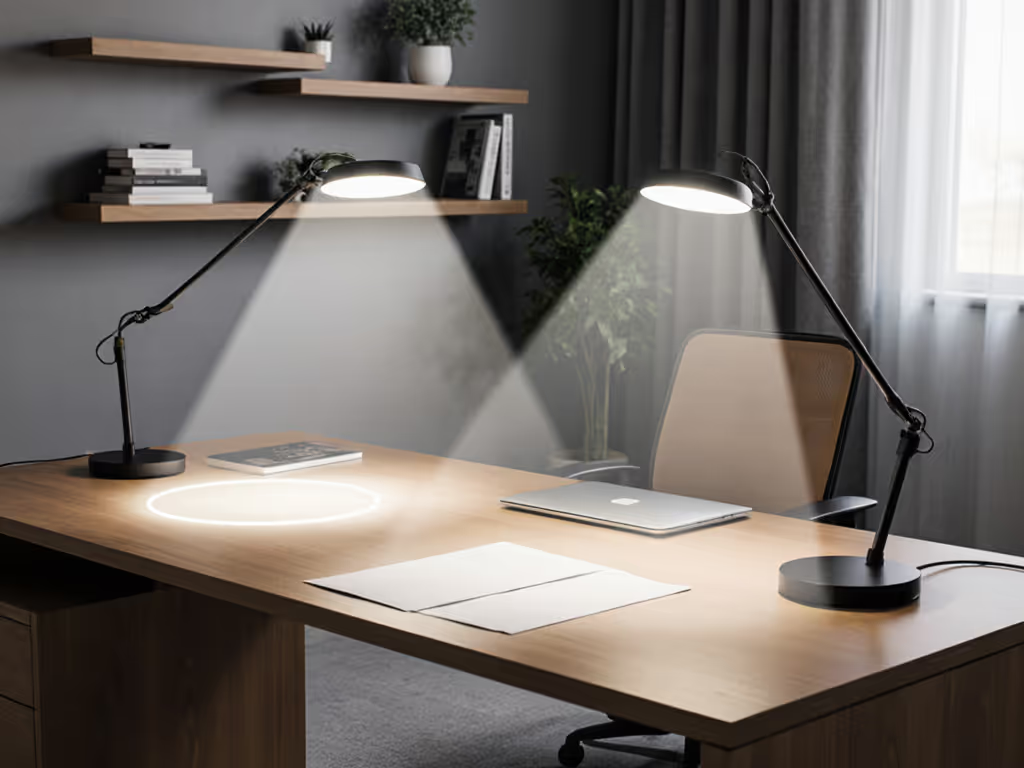
Zoned lighting separates the workspace into distinct illumination areas, each tunable independently:
Comfort starts with flicker, glare, and CCT you can tune.
This approach aligns with the IES RP-1-22 guidelines for visual environments, which specify that "adjacent work areas should maintain no more than a 3:1 brightness ratio to prevent pupil adaptation stress." When implemented correctly, zoned lighting creates visual harmony where traditional setups create conflict.
Don't be fooled by marketing claims of "smart" functionality. True value for shared workspace lighting comes from features that address actual ergonomic pain points: See how leading models stack up in our smart desk lamp comparison.
The difference between genuine solutions and gimmicks shows immediately in real-world use. A colleague once spent weeks with headaches before realizing her "smart" lamp's "automatic" mode created unacceptable CCT shifts that forced constant pupil adaptation. Flicker metrics, not vibes, matter when your livelihood depends on visual clarity.
Follow this practical assessment protocol before selecting collaborative workspace lamps:
Map your glare angles: Photograph your workspace at eye level during peak daylight hours. Look for reflection hotspots on screens/papers. Zones should avoid these areas.
Measure your baseline lux: Use a free lux meter app to document current illuminance at:
This methodology transformed my own workspace during that difficult period where conventional lighting solutions failed me. Systematic measurement (not guesswork) led to the specific combination of zone adjustments that eliminated my persistent discomfort.
Most product specifications omit the metrics that actually matter for shared workspace comfort. Demand these minimum standards: To understand and measure flicker at the source, read our LED driver flicker guide.
| Metric | Minimum | Ideal | Why It Matters |
|---|---|---|---|
| Flicker % | <10% | <5% | Prevents micro-stress from PWM modulation |
| CRI (Ra) | 90 | 95+ | Ensures color accuracy for design/art tasks |
| R9 Value | 50 | 90+ | Critical for red tones in skin, fabrics, materials |
| Beam Angle | 60° | Asymmetric | Prevents screen glare while lighting desk |
| CCT Consistency | ±200K | ±100K | Avoids disruptive color shifts during dimming |
| Dimming Steps | 10 | 20+ | Enables precise comfort tuning |
Many collaborative workspace lamps promise features that create more problems than they solve:
The most effective solutions provide physical controls with clear tactile feedback alongside app functionality. When testing team lighting solutions, I insist on lamps that allow zone adjustments without opening an app. Fine-grained control should be immediately accessible, because visual comfort can't wait for password entry. For a breakdown of control interfaces and workflow impact, check our desk lamp controls comparison.
"Warm" lighting often gets oversimplified in marketing materials. For shared workspace lighting that accommodates multiple users through the day, demand these specifications:
A quality warm desk lamp will feel like sunlight moving through the day, not a harsh switch between "warm" and "cool" presets. This smooth transition is particularly crucial for teams with mixed schedules, where night workers shouldn't disrupt colleagues' circadian rhythms with cool light.
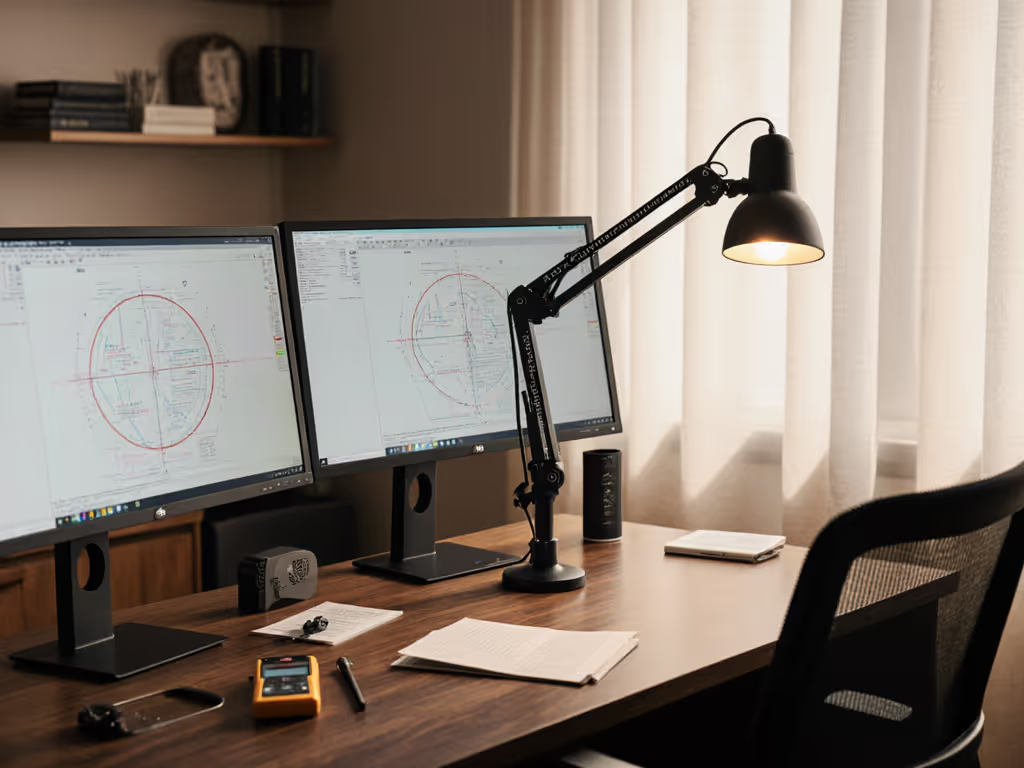
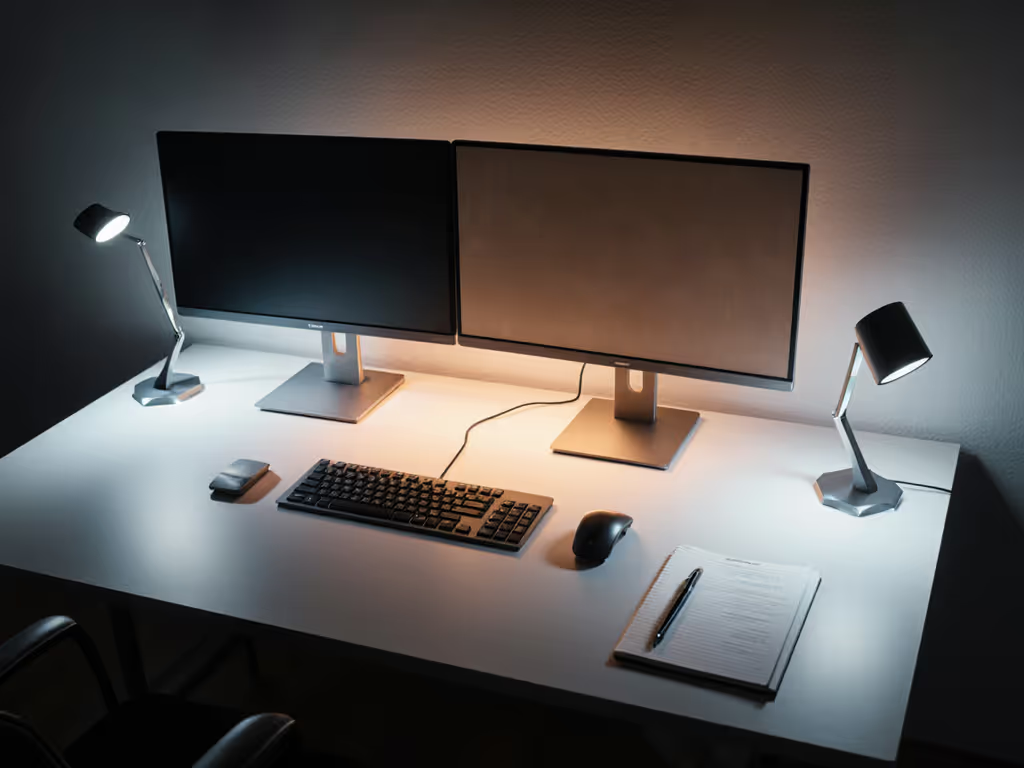
Dual screens create unique lighting challenges in shared workspaces. For full placement strategies and glare fixes, follow our dual monitor lighting guide. The optimal zoned configuration:
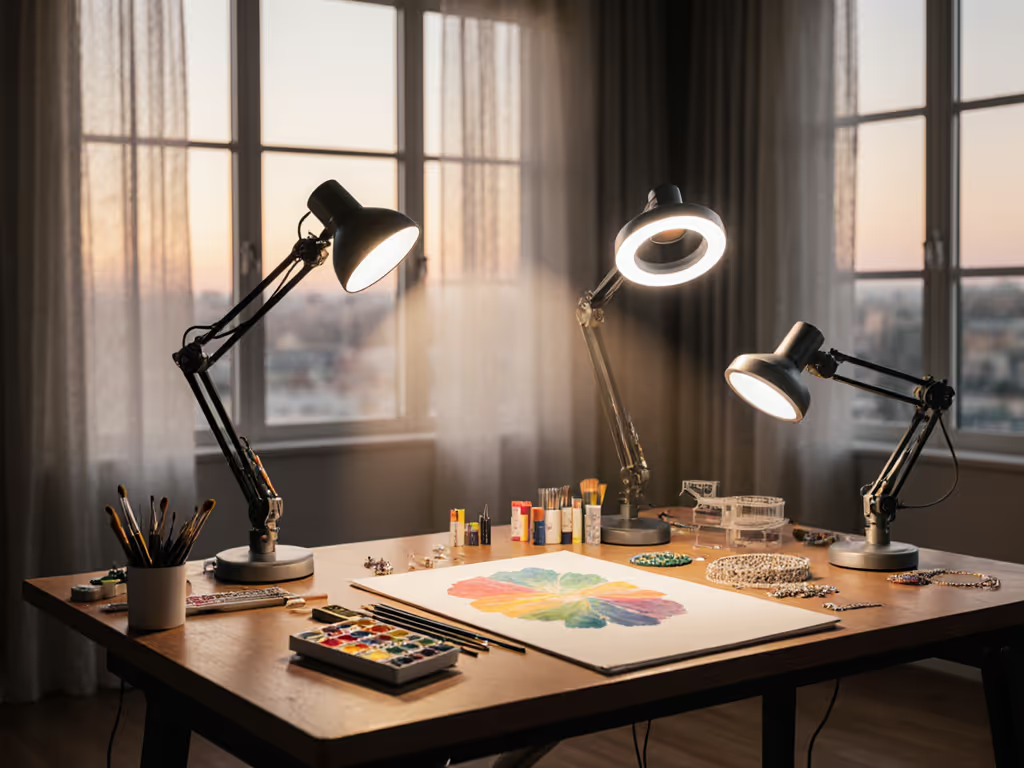
When color accuracy matters across multiple stations:
This approach has eliminated color-matching disputes in several design studios I've consulted with, turning what was once a daily friction point into seamless collaboration.
In cramped collaborative environments, maximize effectiveness with:
Tomorrow morning, before your first meeting, conduct this 5-minute lighting audit:
This simple assessment will reveal whether your current home office desk lighting truly supports your work, or silently undermines it. Armed with these objective measurements, you'll know exactly what zone specifications you need rather than guessing based on marketing claims. When selecting team lighting solutions, prioritize engineering over aesthetics. You'll measure the return in both comfort and productivity.
Flicker metrics, not vibes, determine whether your lighting supports or sabotages your work. The right zoned smart desk lamps don't just illuminate your workspace. They create the visual conditions where your best work can emerge.